For overseas B2B buyers looking to replace petroleum-based materials with bamboo molded pulp packaging, bamboo fiber nonwoven, and similar alternatives, importing from China is still one of the most cost-effective routes. The real priority is not finding the cheapest supplier, but finding a factory with stable capacity, real certifications, and practical export experience.
Step 1: Screen Chinese source factories with real export capability
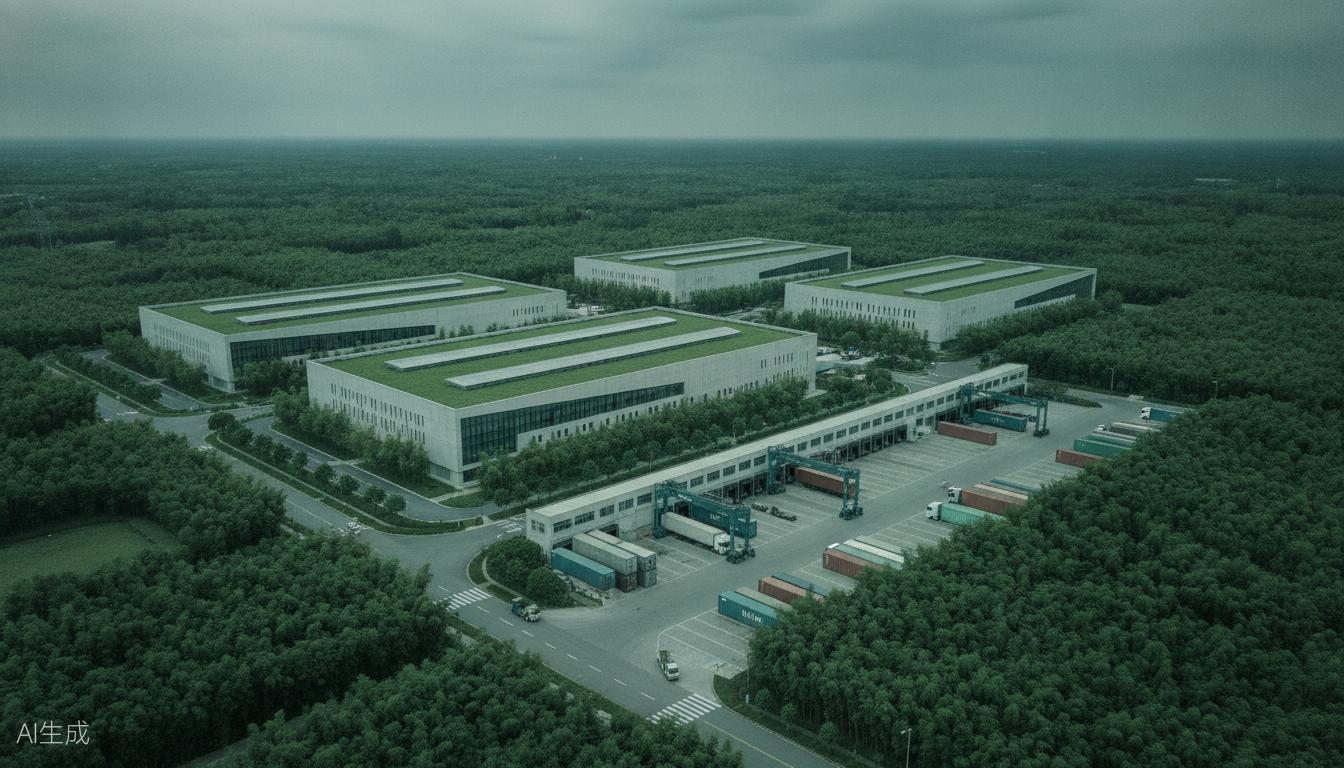
- Check capacity scale: factories with annual output above 5,000 tons and stable production scheduling are usually easier to work with on repeat orders.
- Review quality systems: ask for real ISO 9001 and FSC chain-of-custody certificates, and verify certificate numbers instead of relying on screenshots alone.
- Validate through sampling first: a 7-14 working day sample cycle is often enough to test dimensions, load-bearing performance, drop performance, and container fit.
Step 2: Confirm the core certification requirements of the target market
| Product Type | Core Certification Direction | What Buyers Should Review |
|---|---|---|
| Food-contact bamboo molded pulp packaging | FDA / LFGB / EU 10/2011 | Check PFAS-related requirements and specific migration test reports if required |
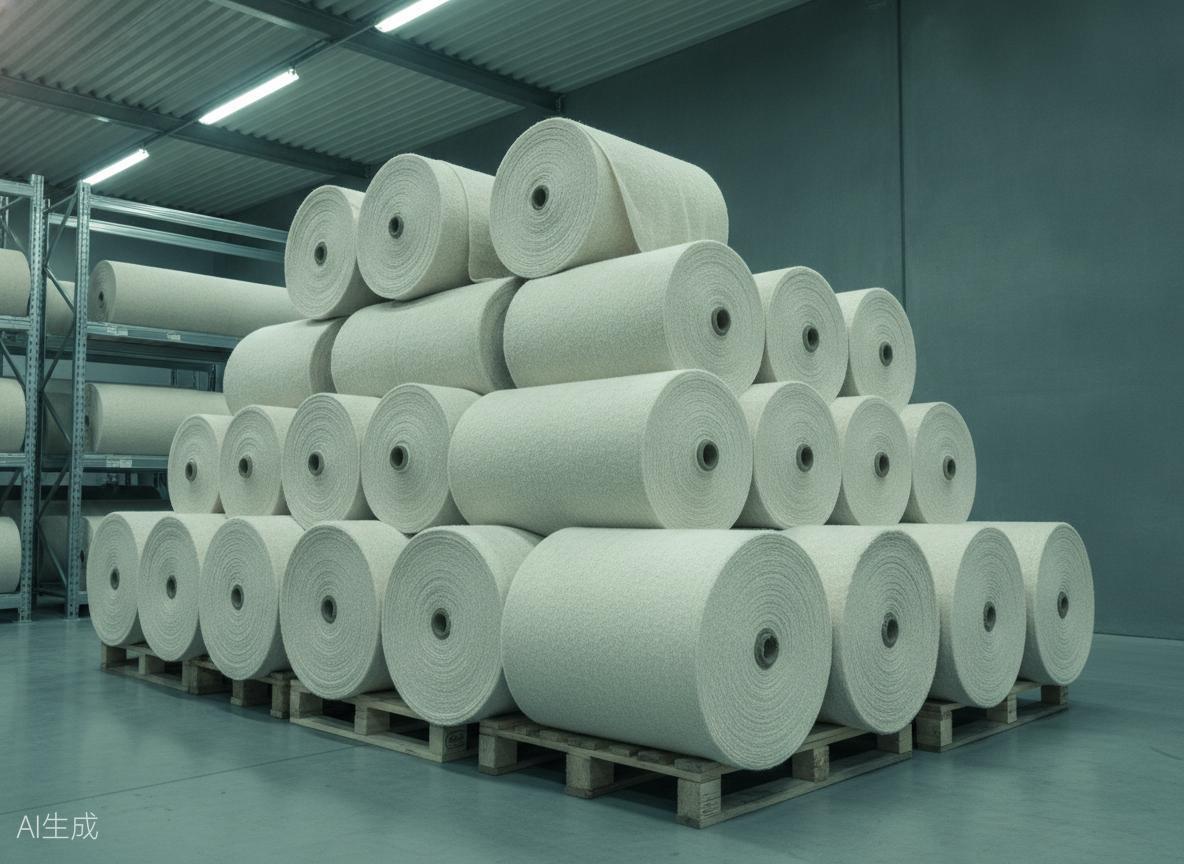
| Bamboo fiber nonwoven | OEKO-TEX / skin-contact testing | Check solvent residue, heavy-metal limits, and end-use suitability |
| All bamboo-based materials | FSC | Review raw-material source logic and continuity of chain-of-custody documents |
Step 3: Container utilization often changes the true buying cost
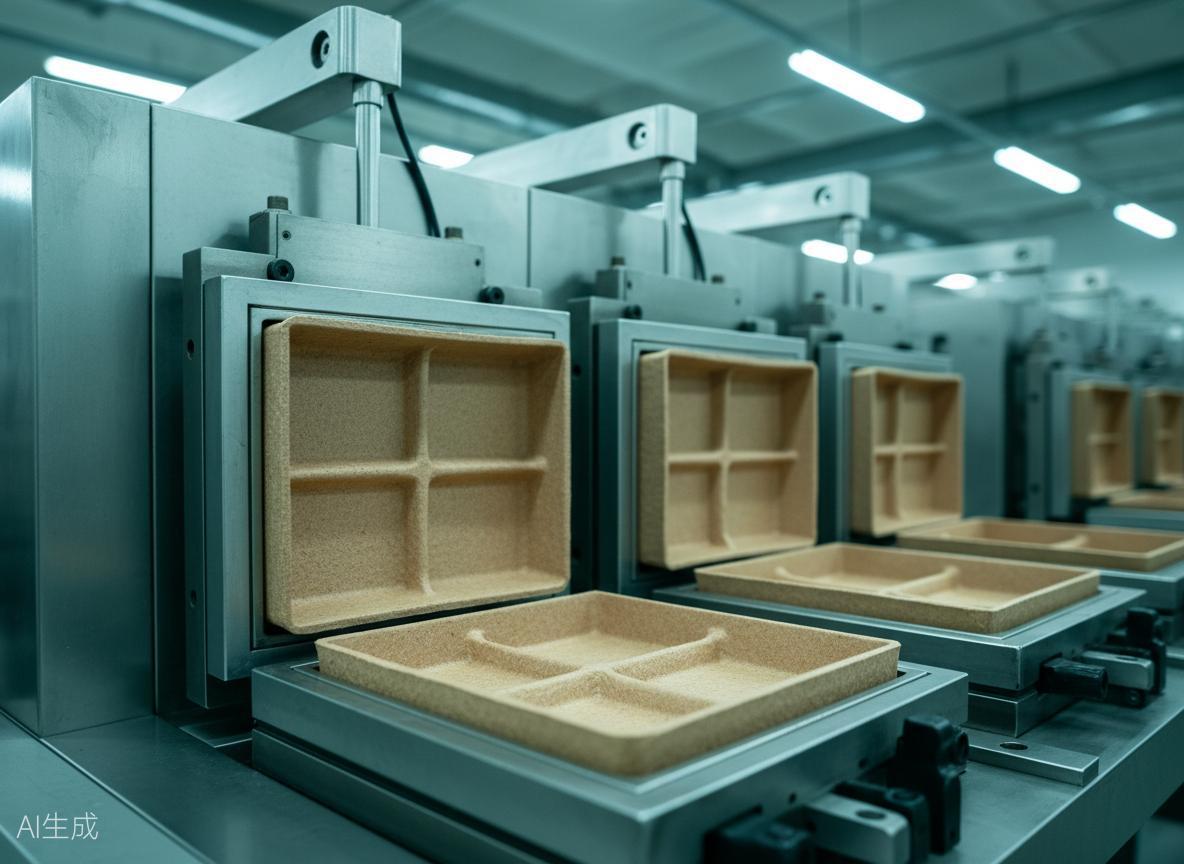
For bamboo molded trays, inserts, and other lightweight packaging products, the factory price is usually not the biggest cost lever. Volume efficiency matters more. Through nested stacking and packing design, storage and freight space can often be reduced by around 60%, and the per-piece ocean freight burden in a 40HQ container can drop materially.
Step 4: Confirm HS code logic and document list before shipment
HS classification for bamboo packaging, nonwoven, and composite products changes with product form and end use. Before shipment, buyers should ask the supplier for a packing list, commercial invoice, origin details, testing files, and certificate copies, then confirm the final classification and tariff logic with the customs broker or import consultant.
If you are evaluating bamboo-based materials from China, send us your specifications, target market, and estimated order volume. We can help organize the factory, certification, and loading logic around a real export scenario.
Request Quote