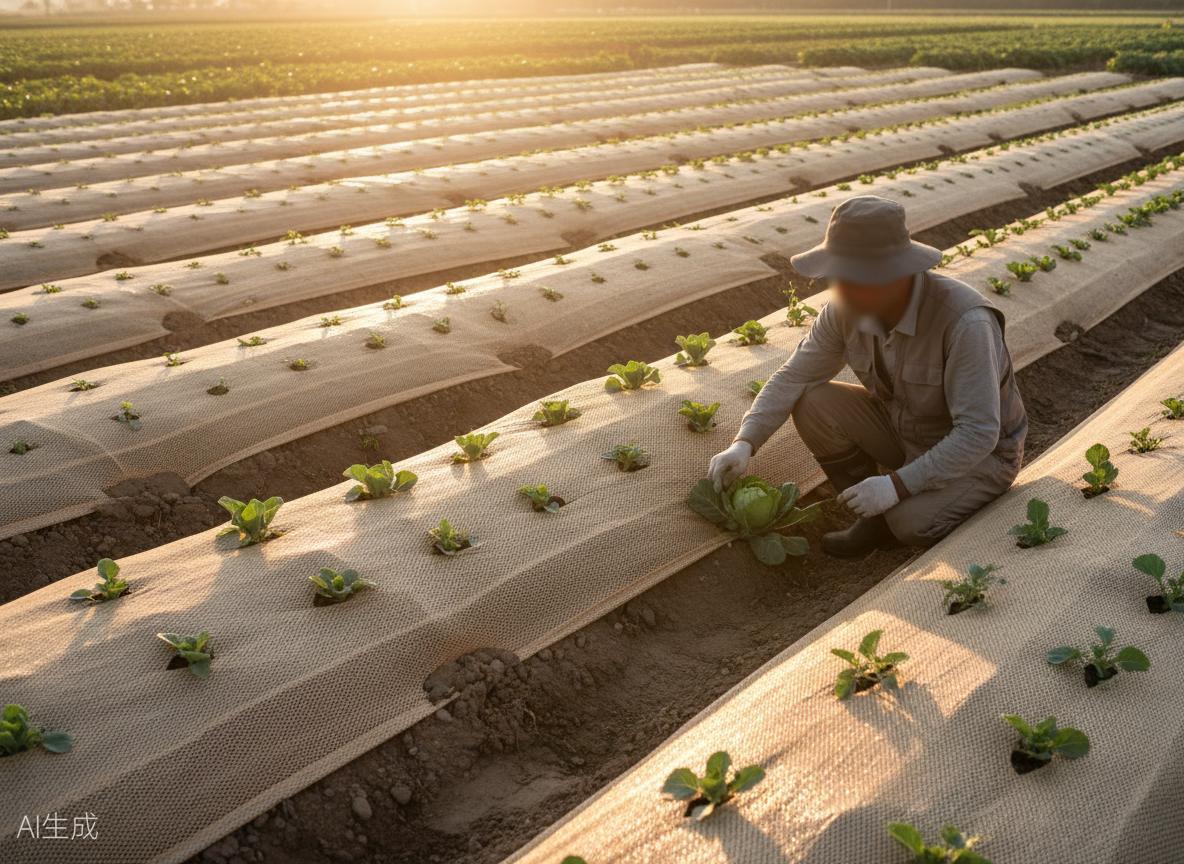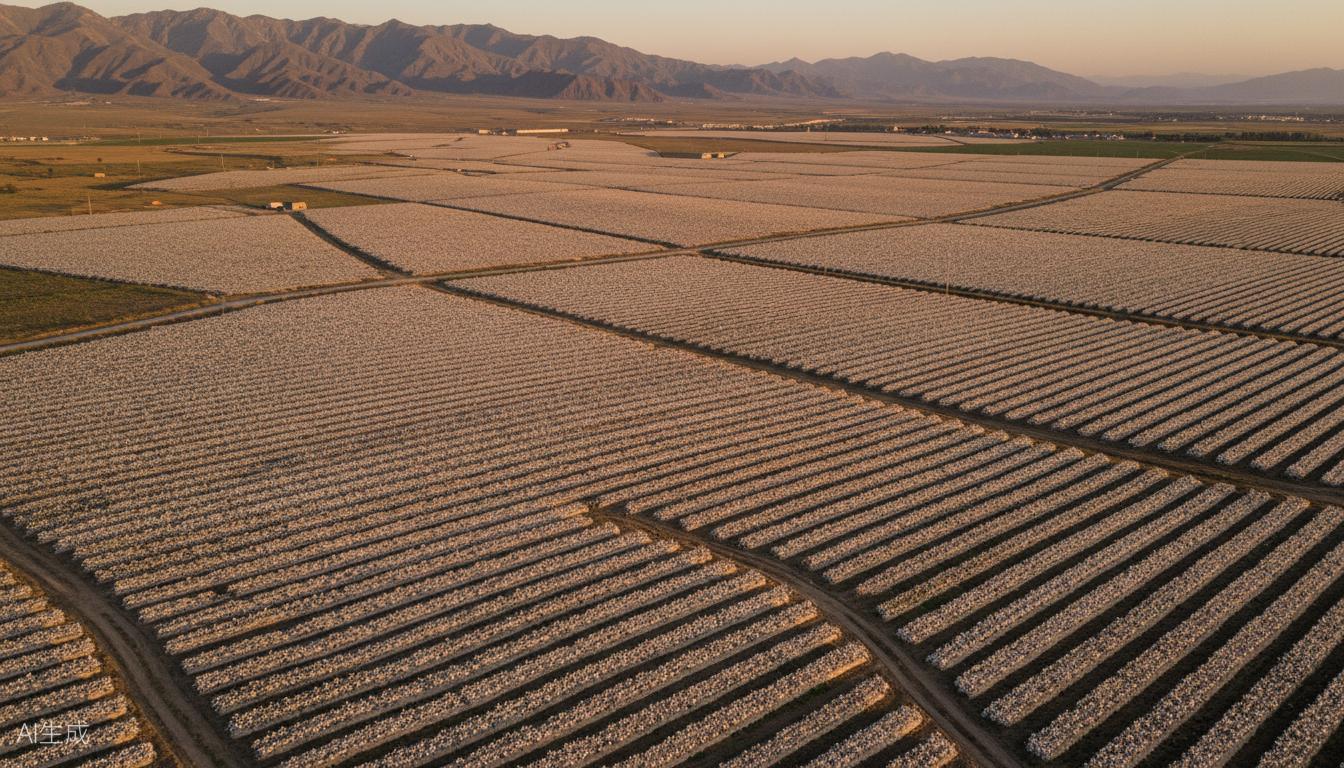
Cotton is one of the most important mulch-film crops in Xinjiang, so buyers need field evidence rather than theory. The article’s Aksu trial is useful because it compares yield, total cost, degradation, and farmer feedback under a real high-UV, low-rainfall cotton environment.
What do the main results show?
| Indicator | Bamboo Mulch Film | PE Film | Difference |
|---|---|---|---|
| Seed-cotton yield | 412 kg/mu | 398 kg/mu | +3.5% |
| Lint percentage | 41.2% | 40.8% | +0.4 points |
| Single boll weight | 5.8 g | 5.6 g | +3.6% |
| Comprehensive cost | RMB 100/mu | RMB 108/mu | Lower total cost after recovery is included |
Why is the Xinjiang case so important?
Because Xinjiang combines strong UV, low rainfall, long coverage periods, and serious PE-residue pressure. If bamboo mulch film can survive the functional period and still degrade after harvest there, it becomes much easier to justify its use in many milder regions.
What specification issue matters most?
The article clearly suggests that thicker grades, roughly around 0.018-0.020 mm, are safer for Xinjiang because they reduce the chance of premature weakening during the cotton season while still allowing post-season degradation.
If your cotton program is in Xinjiang or another high-UV region, do not buy bamboo mulch film by generic biodegradability claims alone. Confirm thickness, UV resistance, and seasonal degradation rhythm first.
Request Quote