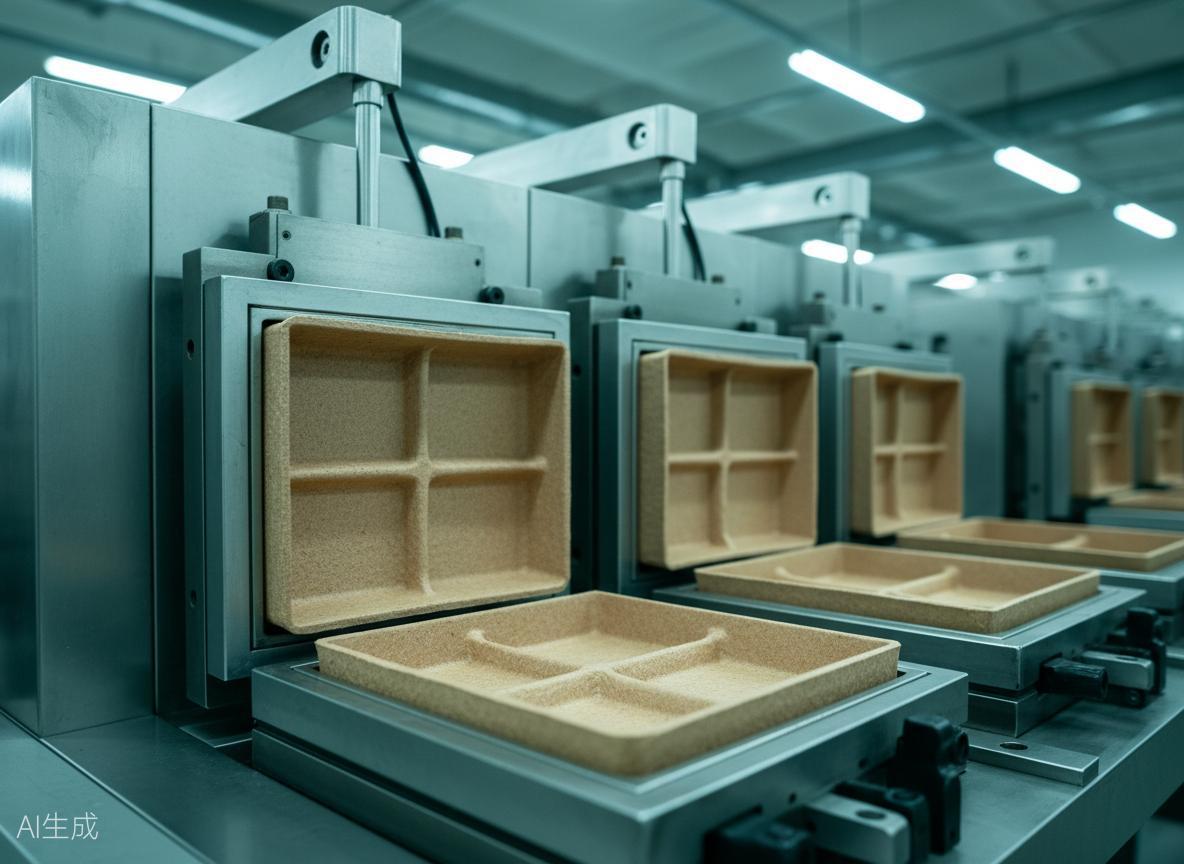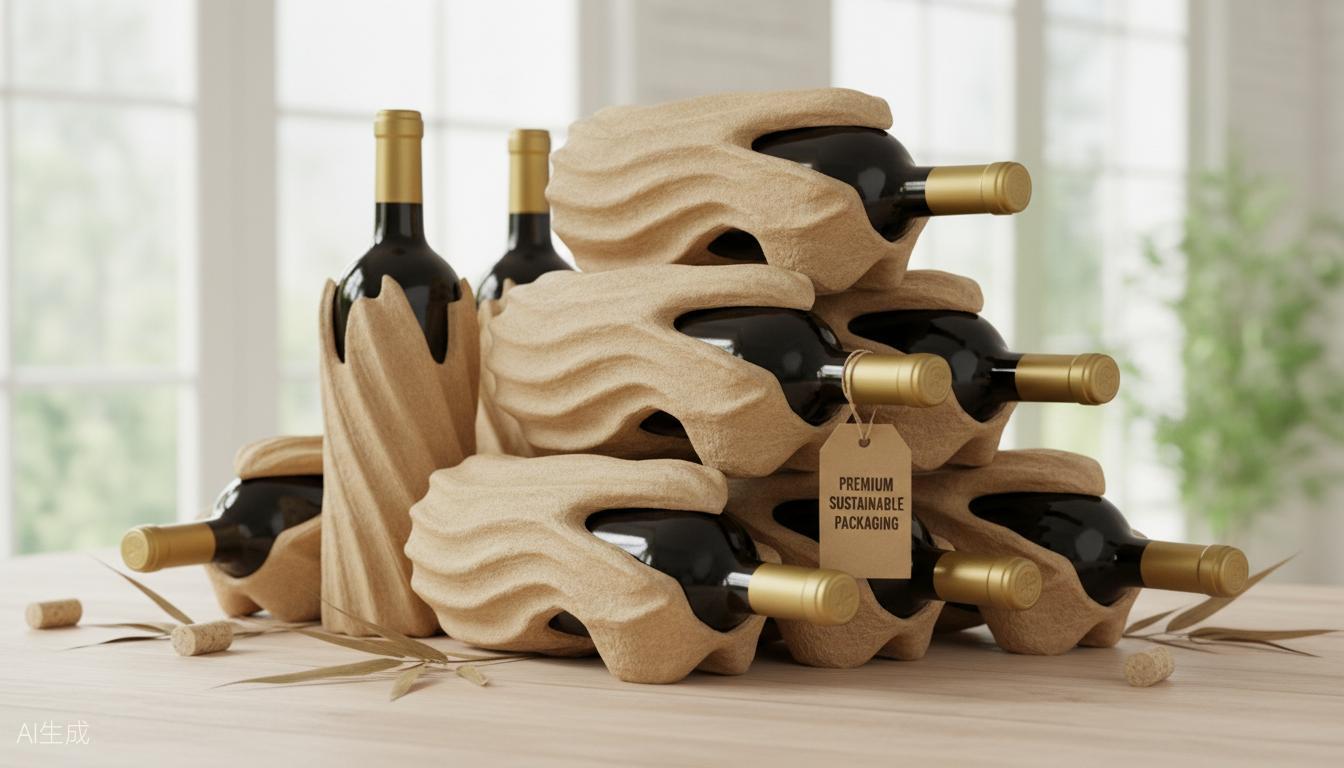
Glass bottles for wine, spirits, and premium beverage products need packaging that controls shock, neck movement, and bottom impact during shipping. Bamboo molded pulp can work as a protective insert, but buyers should evaluate it through bottle shape, outer-carton strength, and drop-test performance rather than by material story alone.
What bottle types need different support logic?
| Bottle Type | Key Packaging Need | Typical Molded-Pulp Focus |
|---|---|---|
| Wine bottle | Neck control and base support | Grooved inserts with secure bottle positioning |
| Spirits bottle | Shape-specific restraint | Custom cavity geometry and stronger side control |
| Beer or smaller glass bottle | Multi-pack efficiency | Linked-pack or divider concepts with impact spacing |
| Champagne or heavy bottle | Higher shock and weight handling | More robust bottom cushioning and carton coordination |
Why should buyers compare against foam by drop-test result?
Foam routes still dominate many protective bottle-pack applications because of known cushioning behavior. Molded pulp becomes viable when the structure is designed around the actual bottle and validated through drop testing rather than assumed equivalent.
What design details matter most?
- Bottle-neck restraint to reduce lateral movement
- Base ribs or cushioning features to manage vertical impact
- Separation between bottles in multi-pack formats
- A carton system strong enough to work with the insert design
If you are evaluating bamboo molded pulp for wine or spirits packaging, start with the bottle drawing, weight, and drop-test target. Protective packaging decisions are driven by validation, not by appearance alone.
Request Quote