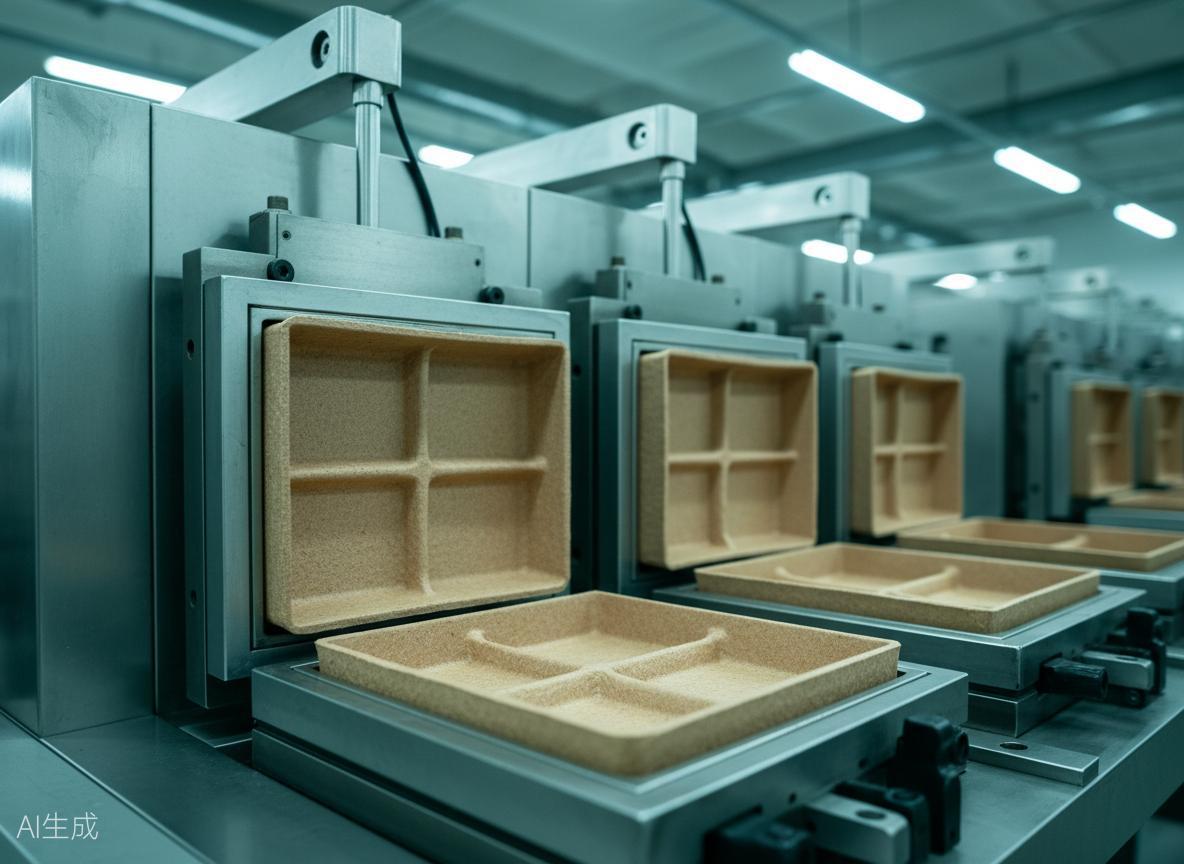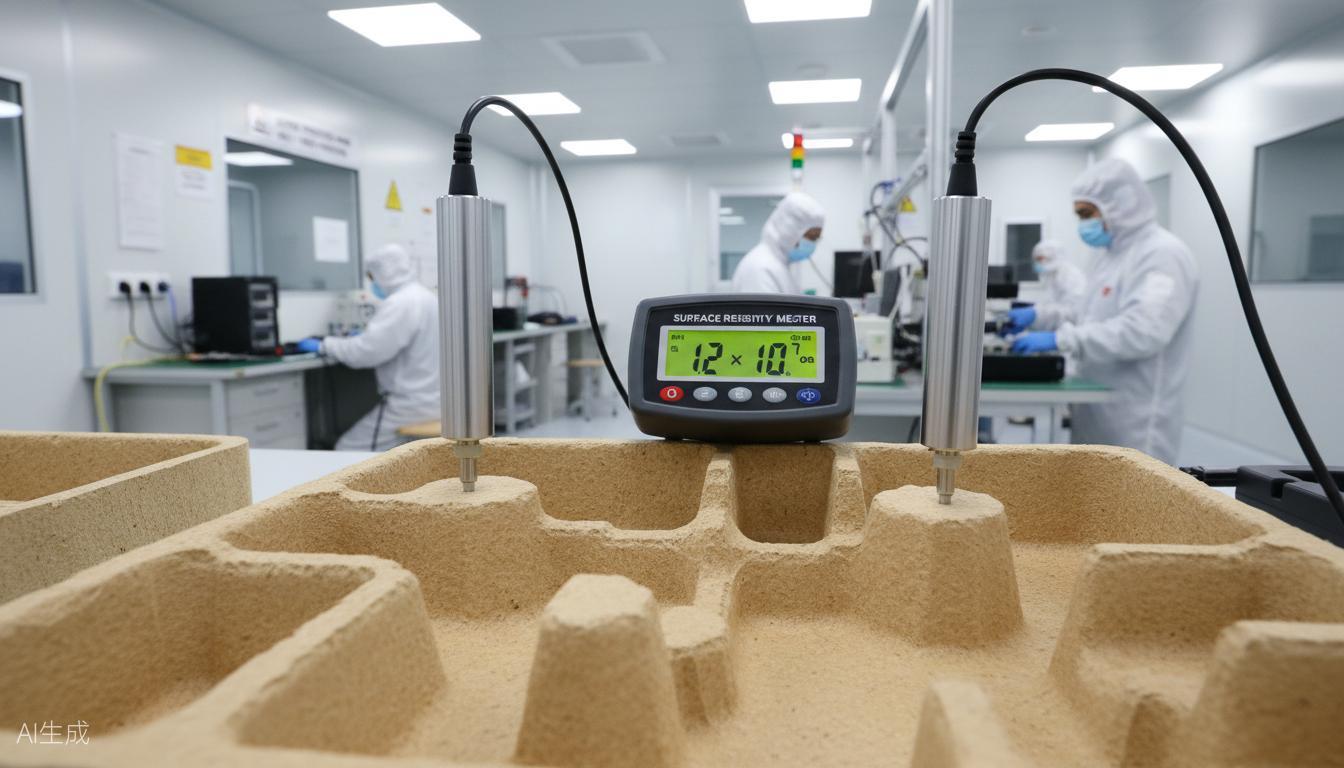
Standard bamboo molded pulp is not automatically suitable for ESD-sensitive packaging. For electronics projects that need electrostatic control, buyers usually compare coating, additive, and conductive-fiber approaches based on surface resistance, durability, and cost.
How do the main anti-static routes compare?
| Route | Main Advantage | Main Limitation |
|---|---|---|
| Conductive coating | Practical for many one-time shipper applications | Performance can decline with abrasion or wear |
| Conductive fiber or carbon additive in the pulp | More durable and system-integrated conductivity | Higher cost and more impact on material story |
| Surface antistatic treatment | Lower cost and easier to apply | More sensitive to humidity and long-term durability |
When is durability the deciding factor?
For reusable totes, long storage cycles, or more sensitive electronics, short-lived surface treatments may not be enough. That is where buyers often move toward more permanent conductive material routes.
Why does the test standard matter?
Because anti-static claims need to be tied to actual surface-resistance and ESD-handling requirements for the product class. Buyers should not approve the packaging only from a supplier label saying “antistatic”.
If your molded-pulp packaging must protect ESD-sensitive electronics, define the target surface-resistance range, reuse cycle, and product sensitivity before choosing the treatment route.
Request Quote