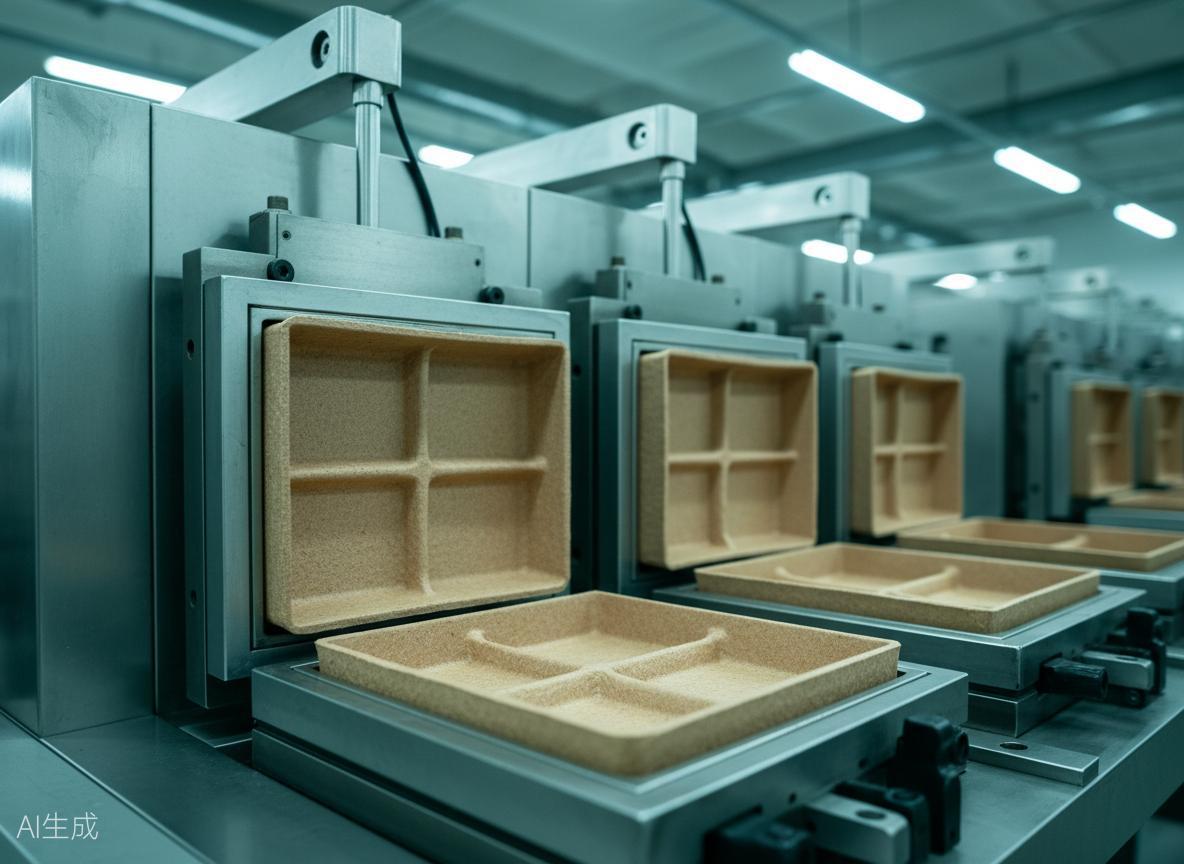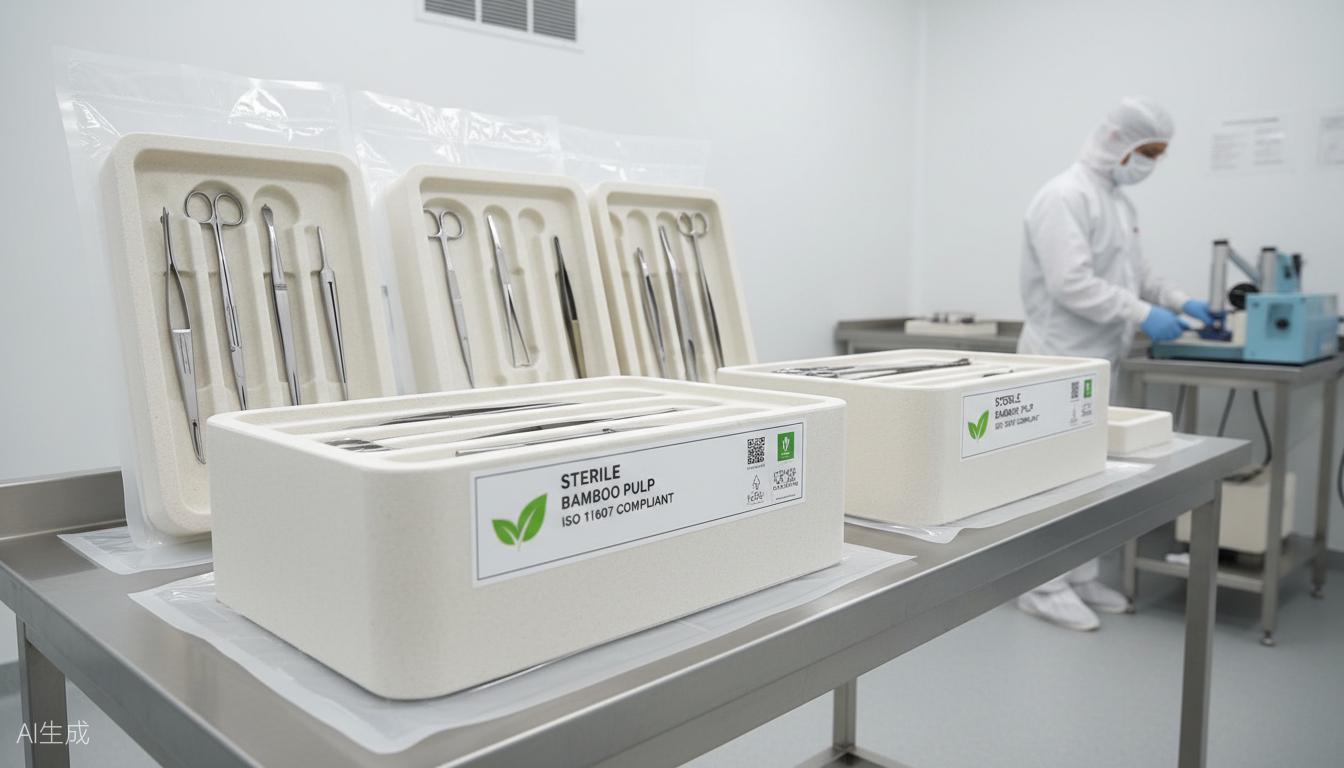
Medical device packaging is much stricter than ordinary industrial packaging because the tray system must work with sterilization, seal integrity, cleanliness, and long-term storage expectations. Buyers should treat bamboo molded pulp as a potential tray component in a validated system, not as a drop-in answer for every medical pack.
Which sterilization routes are more realistic?
| Sterilization Method | General Fit | Why |
|---|---|---|
| EO | More realistic | Lower-temperature sterilization is easier on molded fiber structure |
| Gamma or irradiation-related routes | Often possible with validation | Material behavior still needs project-specific review |
| Steam sterilization | More difficult | High heat and moisture can distort molded pulp more easily |
| Hydrogen-peroxide plasma | Potentially workable | Compatibility still needs validation within the full pack system |
Why does ISO 11607 matter?
Because the question is not only whether the tray looks clean and protective. The full sterile-barrier system must perform through sealing, transport, sterilization, aging, and use. Tray geometry, lid material, and seal design all matter.
What should buyers validate?
- Tray compatibility with the intended sterilization method
- Seal performance with lidstock such as Tyvek or equivalent medical lid material
- Cleanliness and biocompatibility-related expectations for the actual use case
- Aging and transport stability before setting shelf-life claims
If your medical-device project is evaluating bamboo molded pulp, validate sterilization compatibility and the full sterile-barrier system first. The tray alone does not determine compliance.
Request Quote