
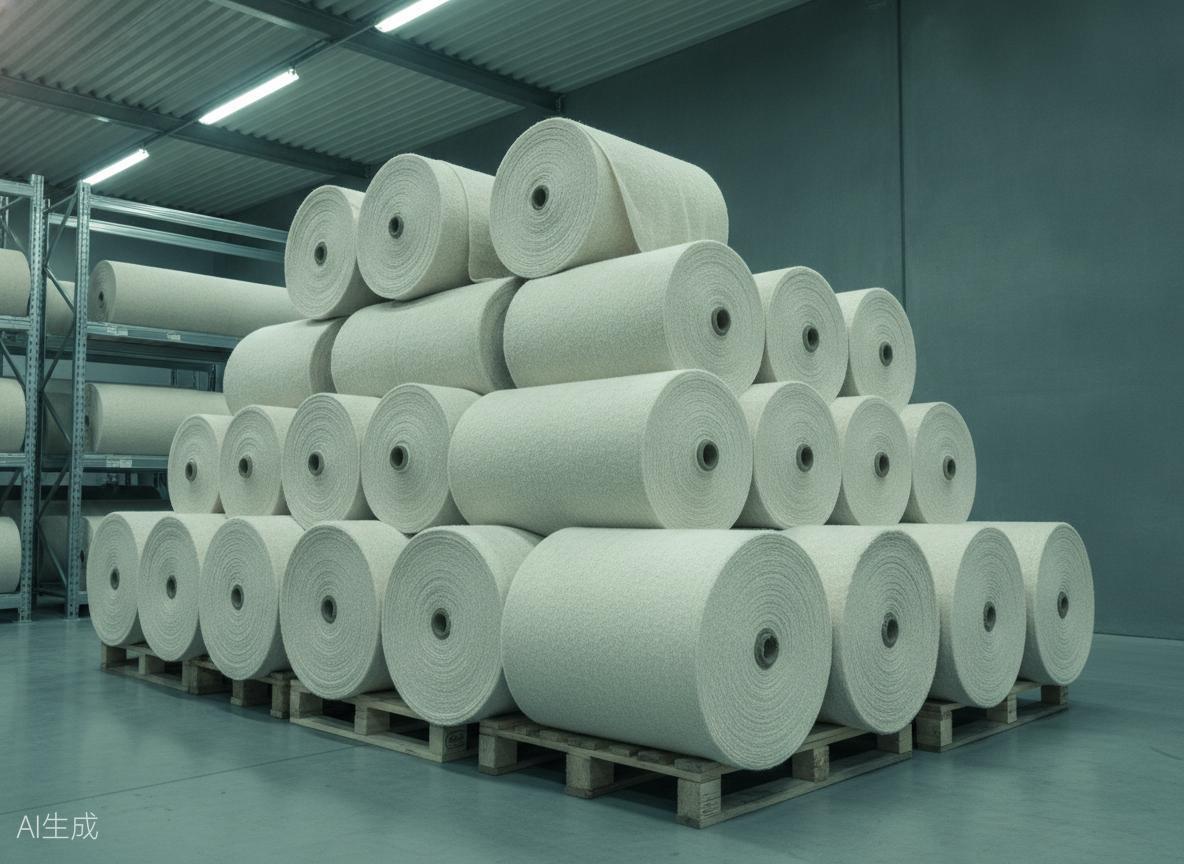
Medical buyers evaluating bamboo fiber nonwoven for dressings should focus on absorbency, breathability, sterilization compatibility, and finished-product test data rather than broad natural-antibacterial marketing language.
Which properties matter most for medical dressings?
| Property | Typical Bamboo Fiber Value | Why It Matters |
|---|---|---|
| Moisture regain | About 12-15% | Helps maintain a balanced wound environment |
| Tensile strength | About 2.6-3.2 cN/dtex | Affects dressing integrity during handling |
| Breathability | Generally high | Supports comfort and moisture management |
| Sterilization compatibility | EO and irradiation can be workable | Finished performance must still be checked after sterilization |
Why are blend ratios important?
Pure bamboo fiber nonwoven may not always provide enough strength for higher-demand medical uses. Blending with viscose or other reinforcing fibers can improve mechanical performance while keeping much of the comfort and absorbency profile.
What process route is common?
Spunlace is often the practical route because it balances fiber entanglement, softness, and breathable structure. Buyers should still confirm water pressure, bonding stability, and post-sterilization performance data.
If you are sourcing bamboo fiber nonwoven for dressings or care materials, ask for sterilization-after-test data and finished-product biocompatibility evidence, not only raw-fiber claims.
Request Quote